



Odour Measurement requires representative samples which can be determined by electronic nose or panelist. The sample will be drawn into a sample bag and rapidly transported to an odour laboratory for olfactometric testing. Each type of source has special requirements for sampling and sample collection. Sampling techniques are depended on emission source characteristics.
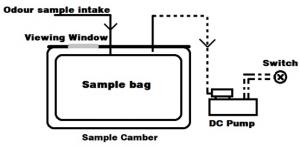
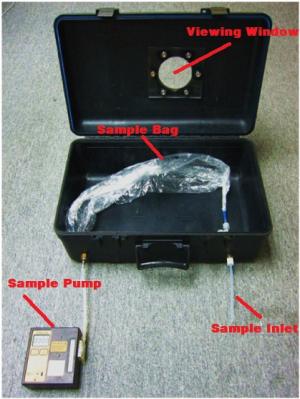
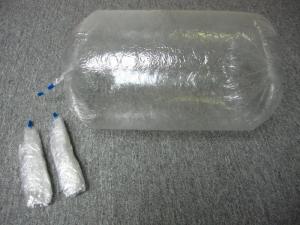
Odour samples are taken into Nalophan sampling bags loaded in a vacuum drum through clean Teflon tubing probes inserted into the stack at different points. The odour sample is collected using an odour sampling system as shown in Figure 1. A vacuum DC pump is connected to the sampling chamber as shown. A new and cleaned Nalophan bag is placed into the sampling chamber. Air is then pump out of the sampling chamber by a DC pump creating a vacuum inside the chamber. Sample is drawn into the bag by pressure difference between the inside and outside of the bag.
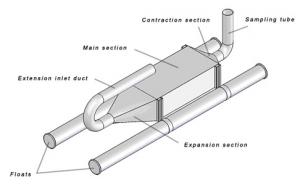
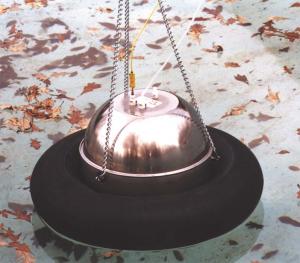
A water or solid surface such as the water surface of a slurry storage tank or cattle feedlot are the typical example for area source. A portable wind tunnel and Dynamic flux chamber system can be used to determine specific odour emission rates. The Specific Odour Emission Rate (SOER) may be defined as the quantity (mass) of odour emitted per unit time from a unit surface area. The volume per unit time is calculated from the measured velocity through the equipment that is then multiplied by the known cross sectional area of the wind tunnel.
For example, chicken and pig sheds, have number of openings. For building sources, measurements of both odour concentration and air ventilation rate are required. Odour samples are normally taken from several points within the building. One composite sample is sufficient to represent a single shed at a particular time. Additional samples can be taken at different times of the day or week to understand the fluctuation of the odour levels within a day or week. Besides taking additional samples, electronic nose can be used for a short/long term 24-hour real time monitoring.
Sorbent tube sampling is the US NIOSH/OSHA approved method for collecting most hazardous gases and vapors from the air. Airborne chemicals are trapped onto the surface of the sorbent when the pumps pulling sampled air through the tubes. After sampling, the tube need to be sealed with push-on caps and froze during the storage and transportation.
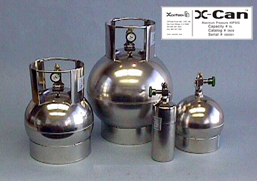
Canister is designed according to US EPA methods TO-14A and TO-15, which regulate the collection, storage and analysis of VOCs using treated air sampling canister.VOCs samples are collected into stainless steel canisters which are transported to the laboratory for analysis. Before using, the canisters need to be cleaned and pressurized with neutral gas. The canisters need also to conduct leak checking just before their on-site using.
Gas Chromatography – Mass Spectrometry (GC-MS) has an excellent sensitivity and separation for gas mixture of like odorous compounds and can ideally be used for identification and quantification of VOCs.
In order for odour samples to be not contaminated and stable in odour concentration, odour sampling bags must meet the following requirements: