
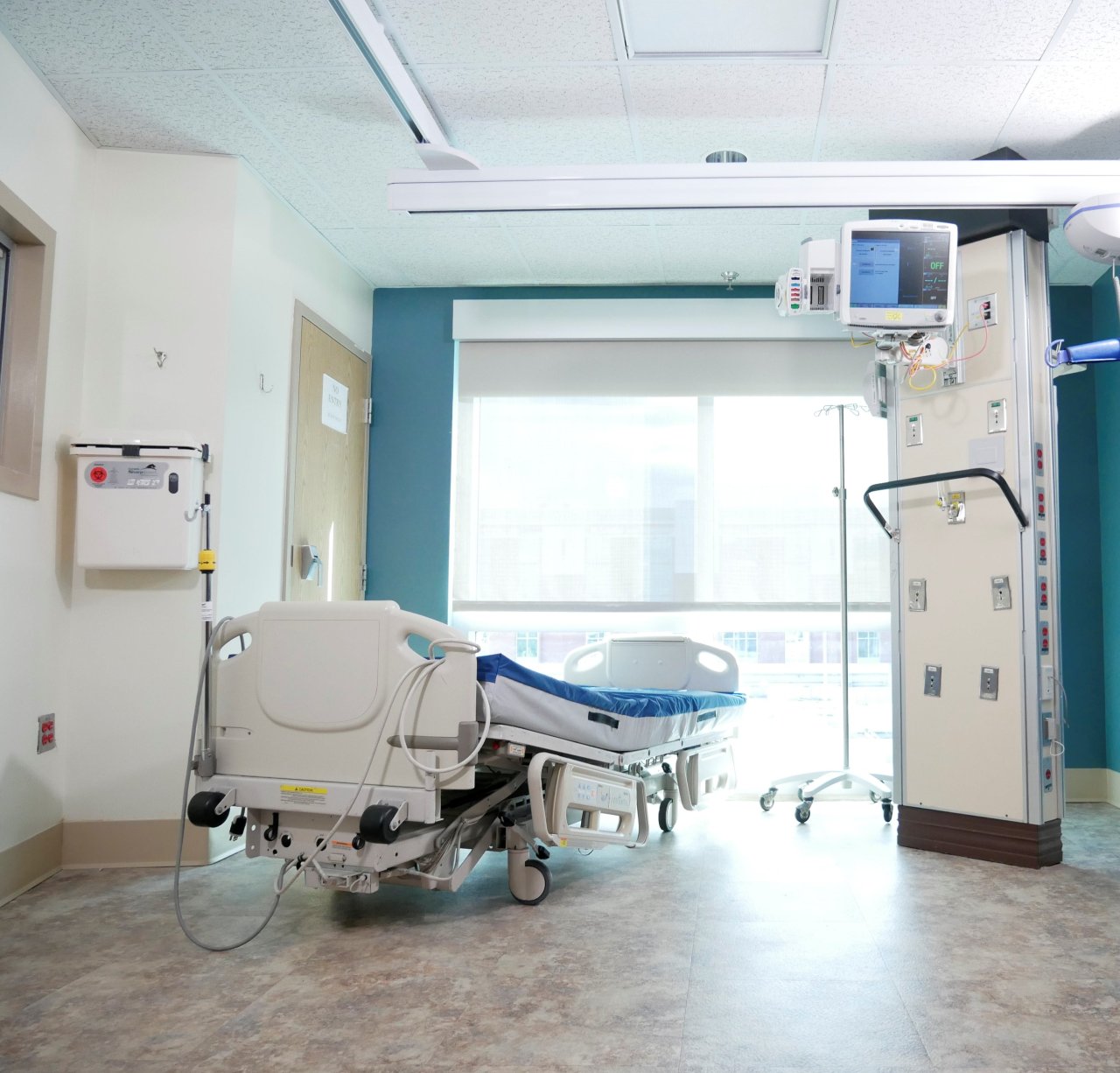
Function hospital beds play a crucial role in healthcare settings, providing a wide range of features and functions designed to enhance patient care and comfort. These specialized beds are essential for patients with varying medical needs, such as those recovering from surgery, managing chronic illnesses, or in long-term care. In this article, we will explore the diverse functions and benefits of hospital beds.
Function hospital beds are adjustable, allowing healthcare professionals to customize the bed’s position to meet the specific requirements of each patient. They can be raised or lowered to facilitate easy patient transfers and reduce strain on caregivers. Moreover, the head and foot sections can be elevated or reclined to optimize patient comfort and assist with medical procedures.
Pressure redistribution is a key function of these beds, helping prevent pressure ulcers in immobile patients. Some beds offer advanced features like alternating pressure or low-air-loss systems, which help distribute the patient’s weight more evenly.
For patients with respiratory issues, certain hospital beds provide Trendelenburg and reverse Trendelenburg positions to assist with breathing and improve lung function. Additionally, many function beds include integrated scales, allowing for accurate weight monitoring, which is crucial for medication dosing and nutritional management.
Safety is paramount, and these beds often come equipped with side rails, fall alarms, and braking systems to minimize the risk of patient falls and injuries. They also feature patient controls, enabling individuals to adjust their bed positions independently.
In conclusion, function hospital beds are indispensable tools in modern healthcare, promoting patient well-being, facilitating medical interventions, and easing the burden on caregivers. Their adaptability, safety features, and pressure redistribution capabilities are just a few reasons why these beds are essential in delivering high-quality patient care.