
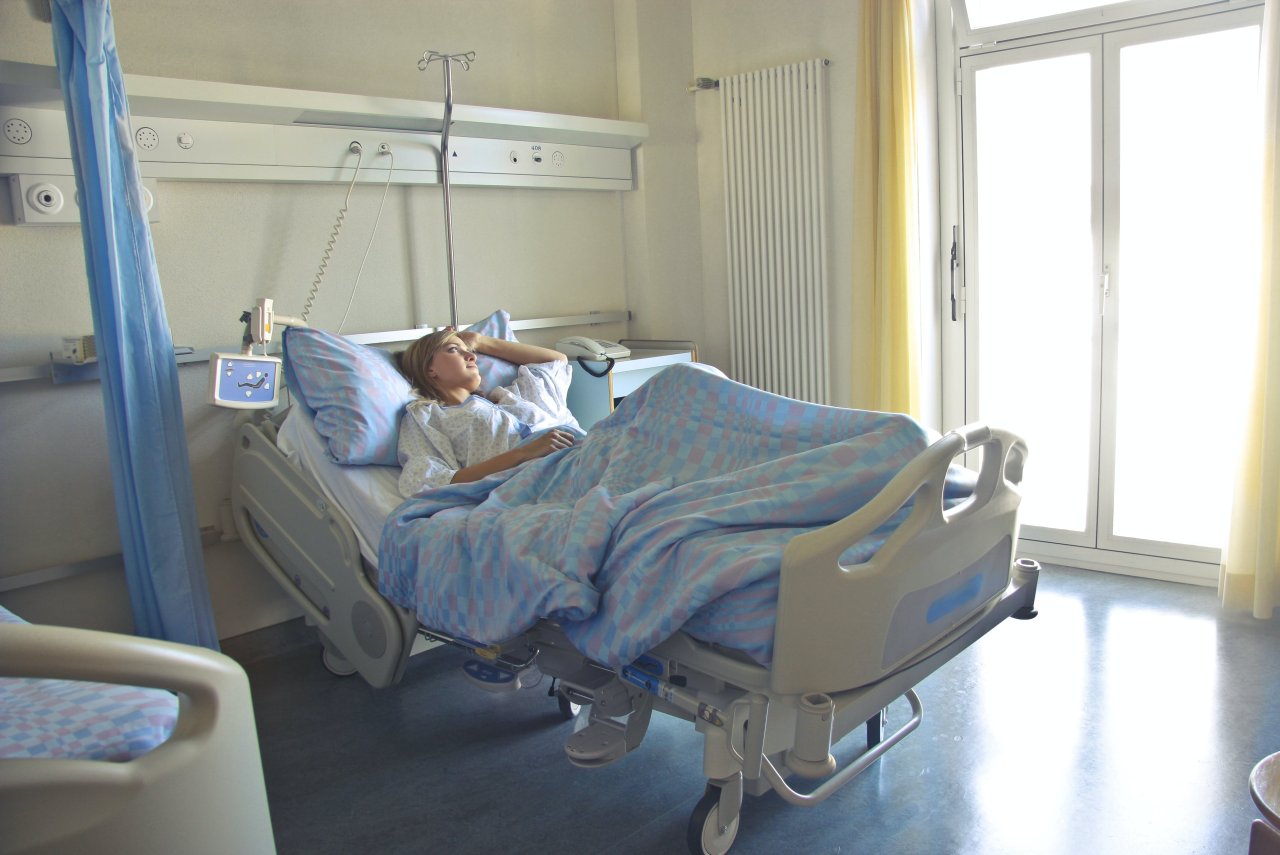
Hospital bed warmers are essential medical devices designed to provide warmth and comfort to patients during their stay in healthcare facilities. These devices play a crucial role in enhancing the overall well-being and recovery process of patients, and they offer numerous benefits to both healthcare providers and those under their care.
Hospital bed warmers are typically equipped with heating elements that can be adjusted to maintain a specific temperature, ensuring that patients are kept warm and cozy. This controlled warmth can help alleviate the discomfort associated with various medical conditions and treatments. It is particularly beneficial for patients who may have limited mobility or are susceptible to cold-related health issues.
One of the key advantages of hospital bed warmers is their ability to reduce the risk of pressure ulcers and improve blood circulation. When patients are warm and comfortable, they are less likely to shift their positions frequently, which can lead to pressure sores. Maintaining proper circulation is essential for the healing process, and warm bed surfaces can assist in achieving this.
Moreover, hospital bed warmers are not limited to inpatient care. They are also used in recovery rooms and outpatient settings to ensure patients are comfortable throughout their healthcare journey. These devices are designed with patient safety in mind, featuring easy-to-clean materials and temperature controls that prevent overheating.
In summary, hospital bed warmers are indispensable tools in modern healthcare, enhancing patient comfort and contributing to better treatment outcomes. Their ability to maintain a consistent and comfortable temperature helps alleviate discomfort, reduces the risk of complications, and ultimately supports the healing process. These devices are a testament to the healthcare industry’s commitment to improving patient care and well-being.